
Huawei Ascend P2 Review


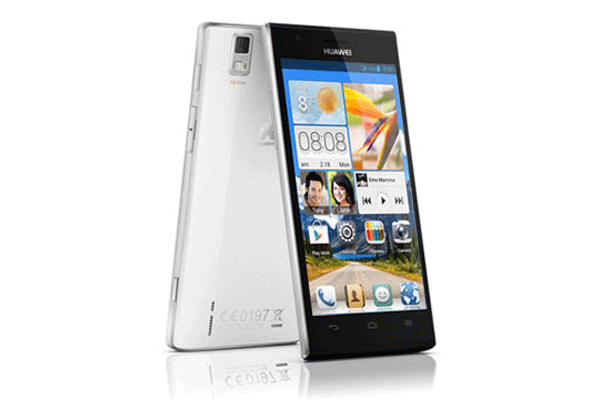
Huawei Ascend P2
Is the 'fastest smartphone in the world' actually the best Android phone to buy?
Sections
- Page 1 Huawei Ascend P2 Review
- Page 2 Software, Performance and Camera Review
- Page 3 Call Quality, Battery Life and Verdict Review
Verdict


Pros
- Great battery life
- Bright, vibrant screen
- Solid, robust design
Cons
- Uninspiring look
- Childish Emotion UI
- No MicroSD slot
Key Specifications
- Review Price: £399.00
- Quad-core 1.5GHz CPU
- 1GB of RAM
- 16GB internal memory
- Android 4.1.2 with EmotionUI 1.6
- NFC, 4G
What is the Huawei Ascend P2?
Blistering transfer speeds aside, the 4.7-inch P2 has the kind of specs that puts it amongst high mid-range smartphones like the Samsung Galaxy S4 Mini, the HTC One Mini and the oldie, but still great Samsung Galaxy S3. Having sewn up the ‘world’s slimmest smartphone’ accolade courtesy of the Huawei Ascend P6, is the P2 a worthy contender?
Want only the best? Head to our best phones 2013 round-up.
Huawei Ascend P2 – Design
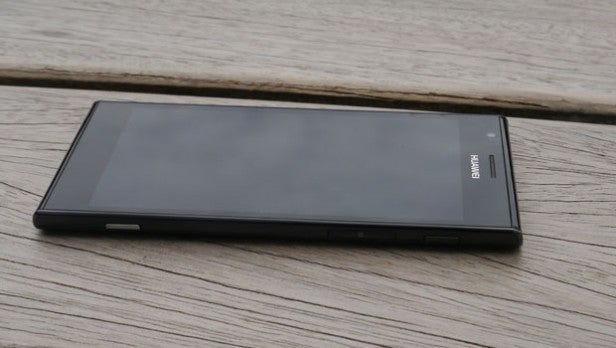
The P2’s predominantly plastic body stays true to the roots of the Ascent P range. It’s not curvaceous like the S4, it prefers defined edges and a more angular look. The back has a rough, almost sandpapery-feel to it that might that help the handset stay put, but also feels mildly irritating against the skin. It’s a largely uninspiring design, so if you are looking for HTC One sleekness, prepare for disappointment.
Huawei Ascend P2 – Screen
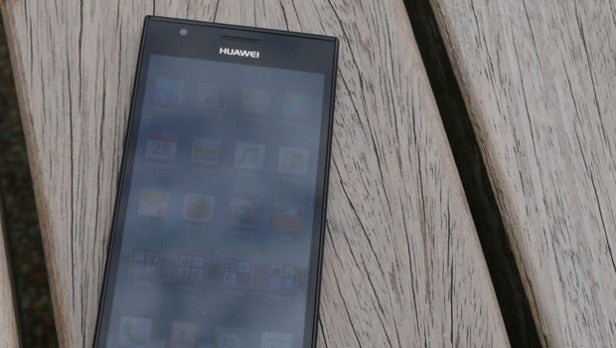
The P2’s 4.7-inch, 720 x 1,280 screen matches the P6 and is protected by second generation Corning Gorilla Glass. It claims a maximum 500 nits brightness rating, 1,000:1 contrast ratio, while the 312 pixels-per-inch puts it just behind the iPhone 5 in terms of clarity levels, which is more than good enough.
The display reacts well to presses, swipes, and gestures like pinch and zoom. There’s even a ‘Gloves’ mode to increase responsiveness, which works very well. It’s a great display and one that matches the HTC Mini One, which set a new standard for mid-range phones.
How we test phones
We test every mobile phone we review thoroughly. We use industry standard tests to compare features properly and we use the phone as our main device over the review period. We’ll always tell you what we find and we never, ever, accept money to review a product.

Editorial independence
Editorial independence means being able to give an unbiased verdict about a product or company, with the avoidance of conflicts of interest. To ensure this is possible, every member of the editorial staff follows a clear code of conduct.

Professional conduct
We also expect our journalists to follow clear ethical standards in their work. Our staff members must strive for honesty and accuracy in everything they do. We follow the IPSO Editors’ code of practice to underpin these standards.
Editorial independence
Editorial independence means being able to give an unbiased verdict about a product or company, with the avoidance of conflicts of interest. To ensure this is possible, every member of the editorial staff follows a clear code of conduct.
Professional conduct
We also expect our journalists to follow clear ethical standards in their work. Our staff members must strive for honesty and accuracy in everything they do. We follow the IPSO Editors’ code of practice to underpin these standards.