
Verdict


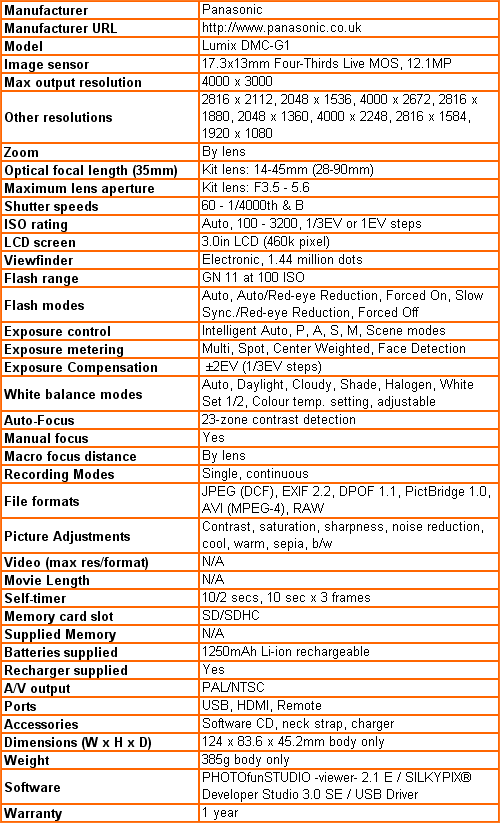
Key Specifications
- Review Price: £490.00
Judging from many of the emails I receive asking for advice about buying cameras, there are a lot of you out there who would like the controllability and image quality of a digital SLR, but don’t want the bulk and weight of a big camera system. Up until now this has meant choosing either a high-end compact like the Panasonic LX3 or Canon G10, or a super-zoom bridge camera such as the Panasonic FZ28 or Nikon P80.
While these are all capable cameras, they don’t really come close to the kind of image quality produced by a digital SLR, mostly because they all have small compact-camera sensors, so buyers have had to compromise image quality for portability. All of that could be about to change though, because Panasonic has launched a camera that fills the gap between high-end compact cameras and full-sized DSLRs. It’s called the Lumix G1, and it’s an entirely new kind of digital camera.
Existing digital SLRs are large and complex devices. Even nine years after the launch of the first “consumer” digital SLR the majority of them are still based on the design of previous 35mm film cameras. In most cases this is so that owners of film SLRs can still use their existing lenses and accessories, thus ensuring brand loyalty, but even the Olympus E-system, with its designed-for-digital smaller lens mount, still uses film SLR technology.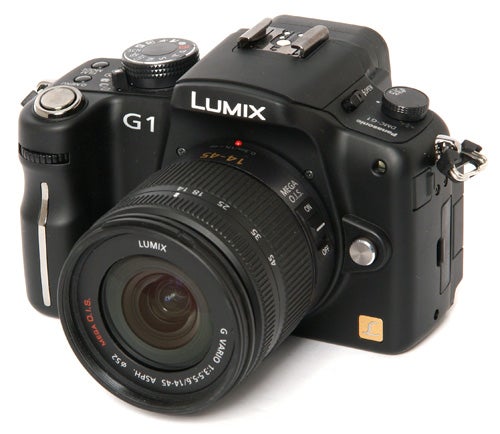
The optical layout inside an SLR camera hasn’t changed much in 30 years. Light comes in via the lens and strikes the reflex mirror, where it is split into different paths for the viewfinder, autofocus sensor and exposure meter. When the shutter is triggered the reflex mirror flips up out of the way allowing light onto the film or sensor.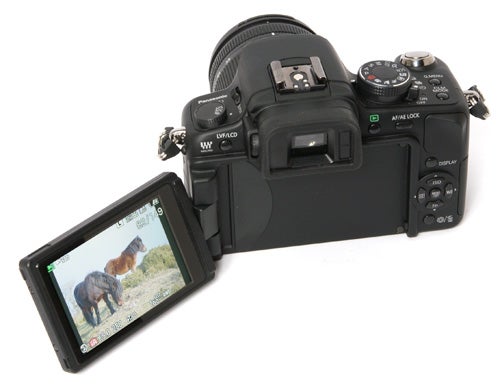
What Panasonic has done with the G1 is to re-think the insides of the camera. They’ve got rid of that bulky, heavy and noisy reflex mirror, and with it the optical viewfinder, and replaced it with a simple system like the insides of a digital compact, with an electronic viewfinder and live LCD monitor. However they’ve kept the large DSLR sensor; the G1 uses the same size Four Thirds sensor as the Olympus E-system and the L10 DSLR.
What this means is that the Lumix G1 offers potentially the same image quality as a full-size DSLR, but in a much smaller and lighter package. The G1 weighs 385g body-only, compared to around 600g for a typical mid-range DSLR. The shorter lens-to-sensor distance also means that the lenses can be much smaller and lighter. The standard 14-45mm lens weighs only 195g, compared to 420g for a typical 18-70mm standard lens for an APS-C camera. The shape of the G1’s body and the layout of its controls bears a more than passing resemblance to the Lumix FZ28, but it is about 8mm wider and taller.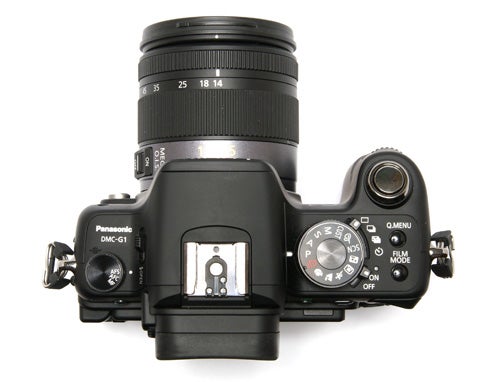
Despite its small size compared to other DSLRs, the G1 is still larger and heavier than most compacts, and as a result it feels more solid and substantial in the hand than one might expect. It has a sculpted handgrip and thumbgrip, and is comfortable to hold, although the finish can be a bit slippery. The camera body is made of a tough plastic, and is finished in an odd smooth matt texture that feels as though the whole camera is covered in a thin sheet of rubber. I’d far prefer a more grippy texture on the handgrip.
The only real handling problem I’ve encountered is that when the camera is fitted with the wider 45-200mm telephoto zoom, there isn’t a lot of room between the lens barrel and the hangrip, which can be a bit uncomfortable for those with larger fingers.
The control layout is simple but effective, and anyone who’s used a high-end bridge camera or any recent DSLR should have no problem picking it up right away. Main mode selection is via a large dial on the top plate, with adjoining switches for on/off and drive mode. Commonly used settings can be adjusted via a comprehensive on-screen quick menu, while an input wheel on the front of the handgrip is used to adjust exposure compensation or manual exposure settings. As well as this it has specific buttons for white balance, ISO setting, AF mode and AE/AF lock, as well as a user-defined function button.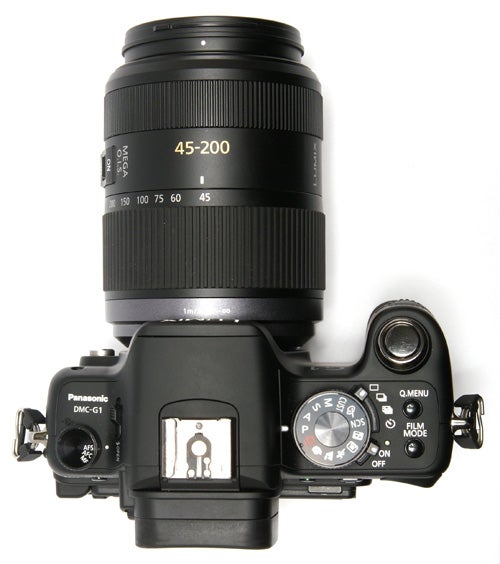
In addition to the normal controls, there is also a display option to show a graphic interface, by which all of the common settings can be quickly adjusted by using the D-pad and the input wheel. This will be familiar territory to anyone who’s used an Olympus DSLR.
In terms of features the G1 has everything you’d expect to find on a mid-range DSLR, while at the same time having the user-friendly automatic features of a compact camera. The main mode dial has a range of pre-set scene modes, including night shooting, close-up, sports, scenery and portrait, and each of these has four or five sub-options selected via an on-screen menu. As well as this it has a few extra miscellaneous scene modes, and Panasonic’s iAuto option, in which the camera automatically selects the scene mode, exposure and ISO settings for you.
For more creative control it has a full range of manual exposure options, with shutter speeds of 60 seconds to 1/4000th of a second, plus a ‘B’ mode, and aperture settings in 1/3 EV increments. It has spot, centre-weighted and multi-zone metering, and an excellent multi-zone autofocus system.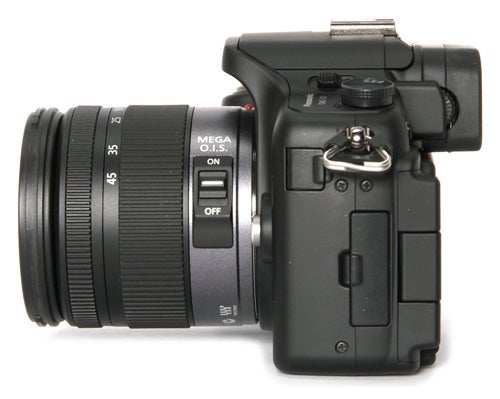
One slight downside of the new design is that the G1 can’t use the phase-detection autofocus system found in most digital SLRs, but Panasonic has compensated by equipping it with a very sophisticated 23-zone contrast-detection AF system. It is every bit as fast and accurate as any comparable SLR, and works very well in low light conditions. Comparing it side-by-side with two other current mid-range DSLRs the G1 matched them both for AF performance.
For more serious users the G1 has a Raw mode and Raw + JPEG with two quality settings, as well as normal JPEG mode in high or low compression. It also has a choice of sRGB and Adobe RGB colour space settings, something usually only found on more sophisticated DSLRs. The G1 has a wide range of custom colour and tone adjustments, with selectable film modes which can be pre-set with five steps of adjustment for contrast, saturation, sharpness and noise reduction, as well as a separate quick adjustment for colour, brightness and contrast.
One question that many potential buyers will have is whether or not an electronic viewfinder can ever be as good as an optical through-the-lens viewfinder. The answer is probably not, but the viewfinder on the G1 comes very, very close, and is certainly one of the camera’s outstanding features. It is astonishingly sharp, with a resolution of an amazing 1.44 million dots. As well as this it uses a new type of field-sequential display technology developed for high-end professional video cameras, which hides the borders between the screen elements and also displays all colours at each pixel location at a refresh rate of 60Hz, so the resulting picture is incredibly smooth and sharp. You literally cannot see the individual dots. As is usually the case with field-sequential displays there is a slight degree of colour smearing when the camera is panned quickly, but this is a small price to pay for an electronic viewfinder that is actually sharp enough for accurate manual focusing.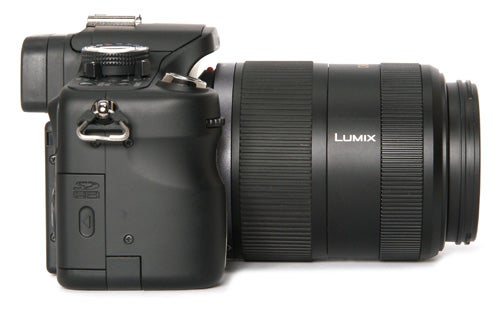
The quality of the viewfinder slightly overshadows the excellent LCD monitor, which has a diagonal size of three inches in 3:2 aspect ratio, a very wide angle of view and a resolution of 460k dots, double that of most compact cameras. The screen can be rotates to almost any angle, including folding back flush with the body either way round. Like most recent Panasonic cameras the G1 can shoot in 4:3, 3:2 or 16:9 aspect ratios.
It is worth noting that while the G1 does have an HDMI output socket for connection to a suitably equipped HD TV, the camera doesn’t have any video mode, but then neither do most DSLRs. However when I was invited to Panasonic’s launch event for the G1, just before the Photokina camera show, I was shown a mock-up of what may be the next model in the series, which clearly sported twin microphones for a HD quality, stereo audio video mode.
I’m in some danger of waffling on forever about the G1’s many features, but this is a review not a sales brochure, so let’s get down to the nitty-gritty and talk about the things that really matter; performance and image quality.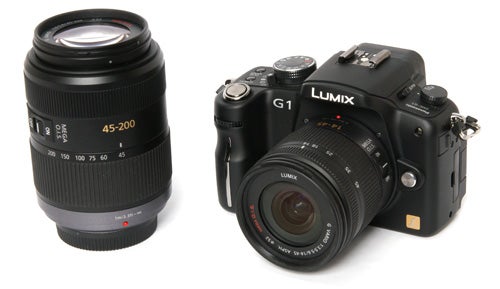
The G1 starts up in just over three quarters of a second, which is impressively fast by compact camera standards, although it is a little slower than most DSLRs. It wakes from power-save mode just as quickly, and shuts down in a little under two seconds, which is also pretty swift.
As I’ve already mentioned, the autofocus system is amazingly fast, which helps the G1 to have a very impressive shot-to-shot time. In single-shot mode, shooting in the highest quality Raw + JPEG mode it can maintain one shot per second, while in JPEG-only mode it is slightly faster at 0.9 seconds per shot. In continuous mode it can maintain three frames per second in both Raw and JPEG modes, although using Raw mode does limit it to a seven-shot burst before it has to pause to empty its buffer.
Thanks to a very bright AF assist lamp the G1 will focus in total darkness at a range of about four metres, but even at longer ranges its low-light focusing ability is very impressive. I was hard put to find any situation in which it failed to focus quickly and accurately. It’s a very impressive performance from a contrast detection system.
In terms of picture quality the G1 is every bit as good as I’d hoped. It has a 12.1-megapixel Four-Thirds Live MOS 4:3 aspect ratio sensor measuring 17.3 x 13mm, with a built-in supersonic wave cleaning mechanism, similar in size and ability to the sensors found in the Panasonic L10 and Olympus E-System DSLRs, so as you might expect the image quality is comparable with the E-520. Lens quality too is excellent, and both the kit lenses (14-45mm and 45-200mm) produce superb edge-to-edge sharpness with no noticeable chromatic aberration, which is more than can be said from some other manufacturers’ kit lenses.
Typically of Four-Thirds sensors, dynamic range could be a bit better, but shooting in Raw mode allows a lot of shadow detail to be recovered from high-contrast shots without introducing too much image noise. In fact the G1’s noise handling is the most pleasant surprise. Some Four-Thirds cameras have had a bit of a problem with high-ISO noise compared to similar APS-C sized DSLRs, but the G1 produces excellent image quality right up to 1600 ISO, and even at the 3200 ISO maximum setting the images are quite usable. While the overall image quality isn’t quite a match for the very best full-sized DSLRs it is certainly more than adequate for any semi-pro or serious amateur, and much better than even the best high-spec compacts.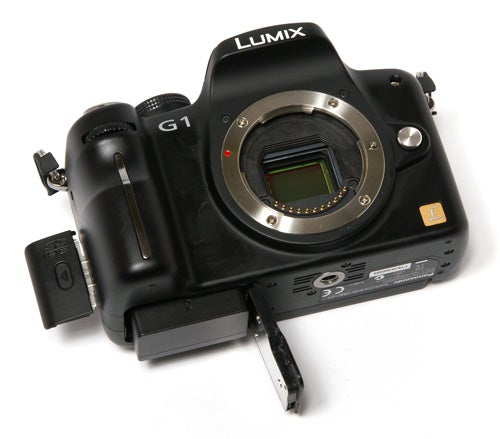
To conclude, I’m immensely impressed with the Panasonic G1. It’s a very accomplished little camera that succeeds brilliantly at its objective of providing a real alternative to a full-size DLSR. I have been using it over the past few weeks, taking it on some long walks across Dartmoor, and I’ve found its low weight, fast performance, excellent handling and superb image quality ideally suited to my kind of photography. The only thing that would put me off buying one is the price. At nearly £500 for the basic single-lens kit it’s about £200 more than an entry-level full-size DSLR, which is a lot. The question is if it’s more than people are willing to pay for the camera’s obvious advantages.
”’Verdict”’
The Panasonic Lumix DMC-G1 is a revolutionary camera that delivers on its promise of SLR-like quality in a compact body. Build quality and design are up to Panasonic’s usual exemplary standard, and despite its small size the camera handles well. In terms of performance and especially image quality it matches other Four-Thirds system DLSRs. The only downside is the high price compared to an entry-level full-size DLSR.
”Over the next few pages we show a range of test shots. On this page the full size image at the minimum and maximum ISO settings have been reduced to let you see the full image, and a series of full resolution crops have taken from original images at a range of ISO settings to show the overall image quality. ”
—-
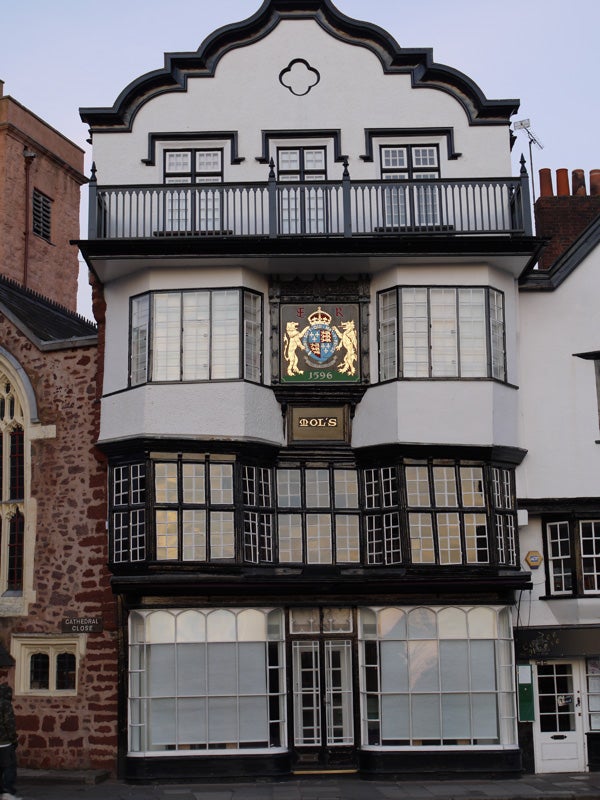
This is the full frame at minimum ISO.
—-

This was shot hand-held at 1/25th of a second at 100 ISO. The G1’s optical image stabilisation is very effective, and the shot is pin-sharp and noise-free.
—-

200 ISO and still no noise.
—-

Image quality is still superb at 400 ISO.
—-

There is some colour noise visible at 800 ISO, but not enough to cause a problem.
—-

1600 ISO ant the image quality is still very good.
—-

Only at 3200 ISO does image noise become a real problem, but even here the image is still usable.
—-
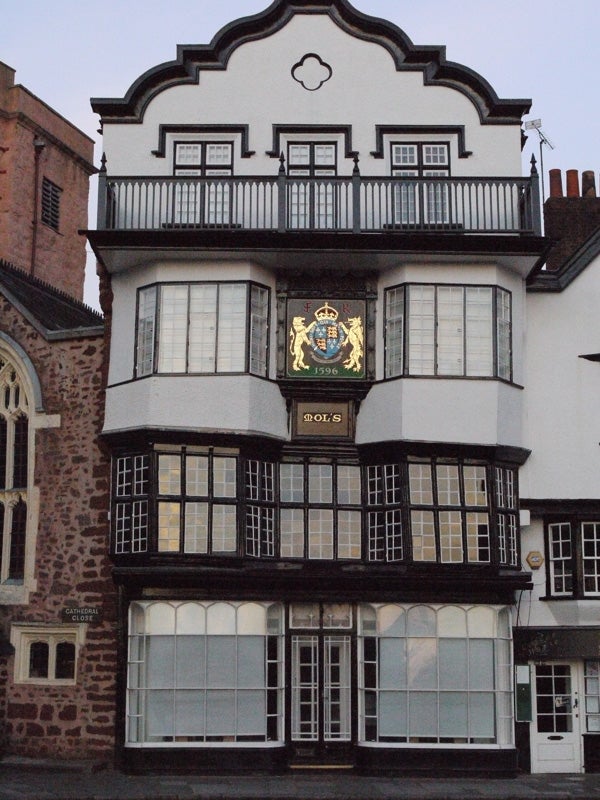
This is the full frame at 3200 ISO
—-
”A range of general test shots are shown over the next two pages. In some cases, the full size image has been reduced for bandwidth purposes, and a crop taken from the original full resolution image has been placed below it to show the overall image quality. Some other pictures may be clicked to view the original full-size image. ”
—-
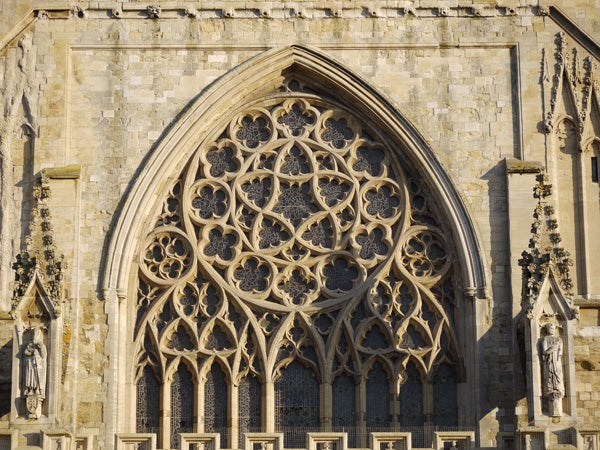
I had a hard time deciding between the Sidmouth sea-front shot I normally take with DSLRs, or this Cathedral shot I use for compacts.
—-
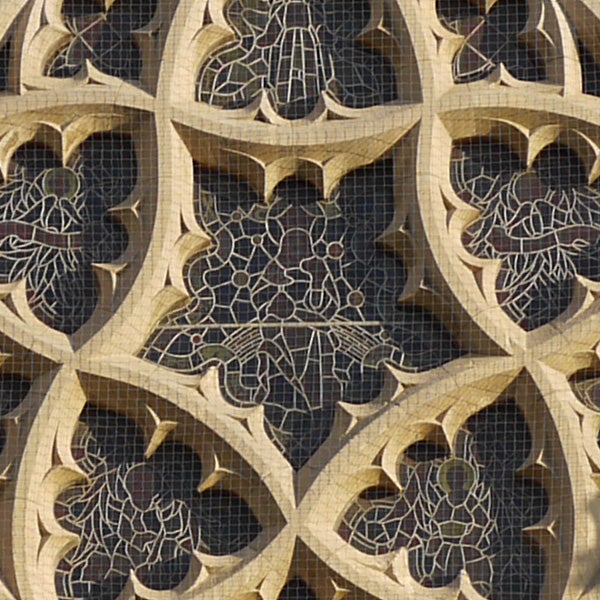
As you can see, the level of fine detail far exceeds all compacts.
—-
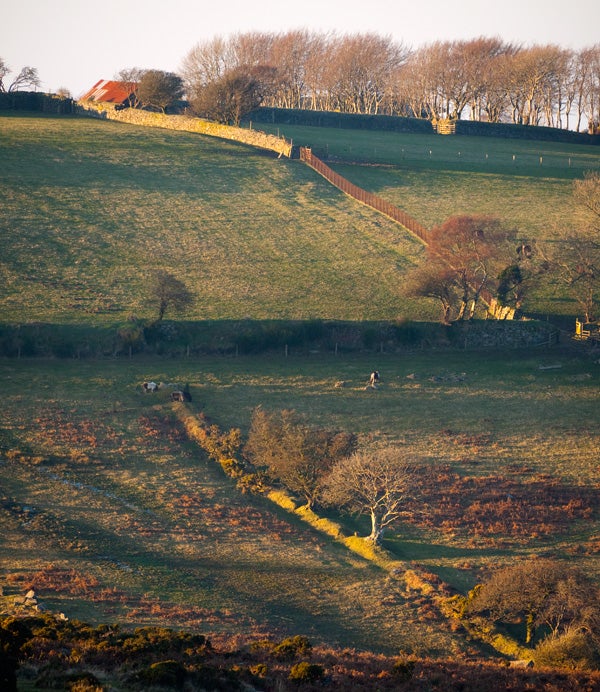
Thanks to its extreme portability the G1 is great for landscape photography such as this telephoto shot from Oke Tor on Dartmoor.
—-
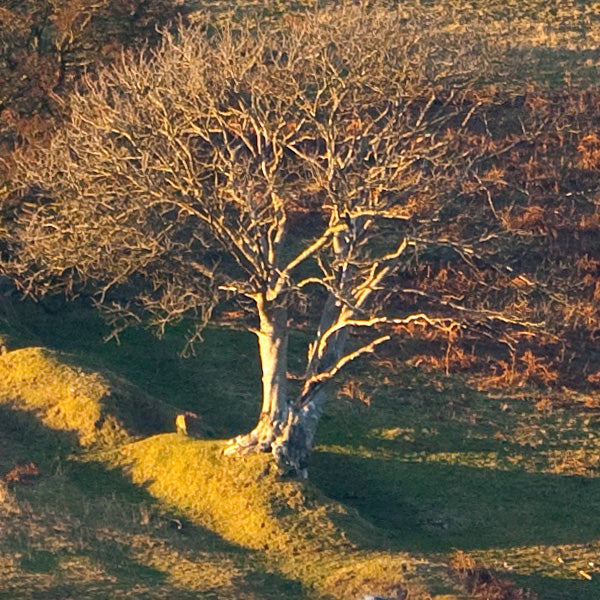
This is a crop from near the centre of the above image.
—-
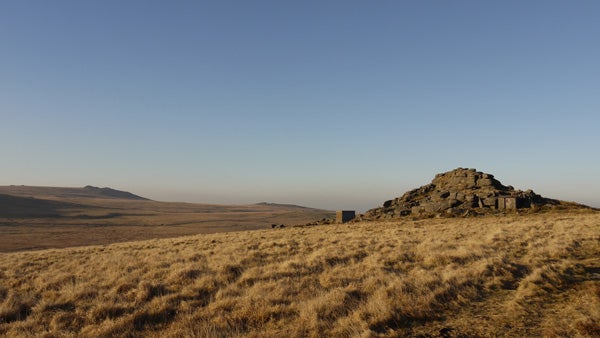
The 16×9 aspect ratio is great for landscape shots.
—-

This is a corner crop from the above image. Excellent corner sharpness and no chromatic aberration.
—-
”Here are some general test shots to help evaluate the camera’s overall image quality, including the zoom range of the lens. Some pictures may be clicked to download the full size original image ”
—-
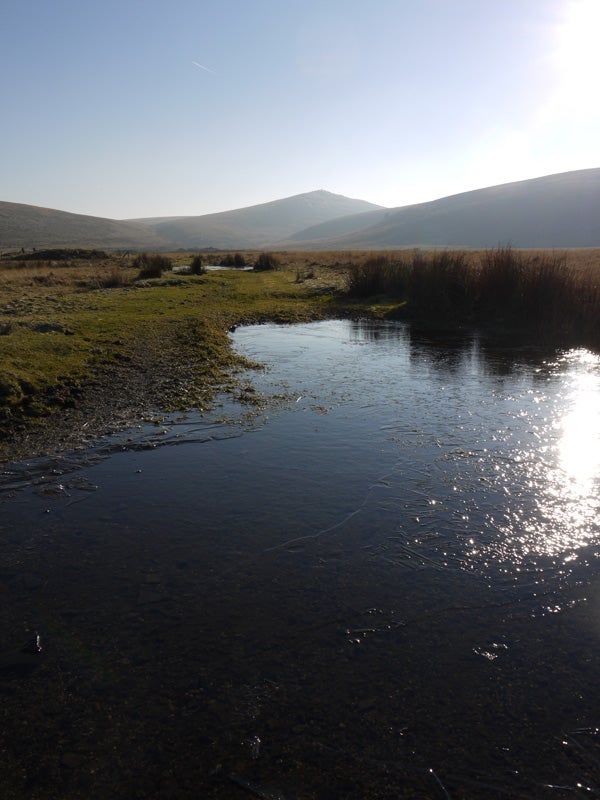
The 14mm wide end of the standard kit lens is equivalent to 28mm. Lens flare is kept to a minimum.
—-
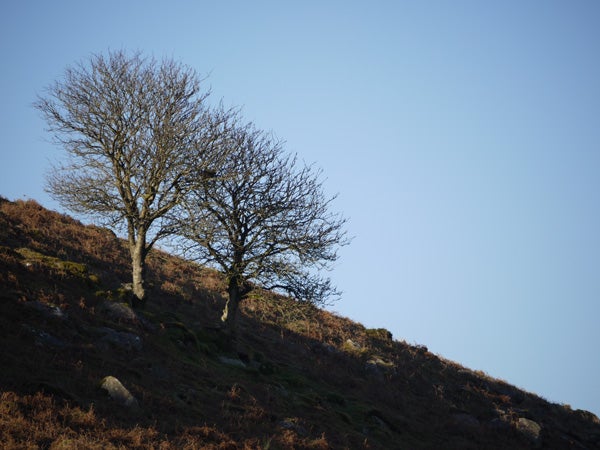
There is slight vignetting visible on this 400mm telephoto shot.
—-
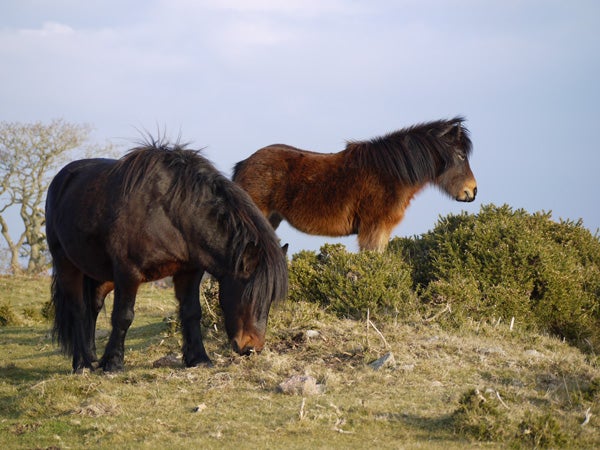
The G1 is so much easier to carry around than a full-size DSLR. These Dartmoor ponies are semi-wild. They live free on the moor, but they are all owned by someone and are rounded up and tallied every year.
—-

Colour reproduction is good despite the cloudy day.
—-
”Here are some more general test shots to help evaluate the camera’s overall image quality”
—-
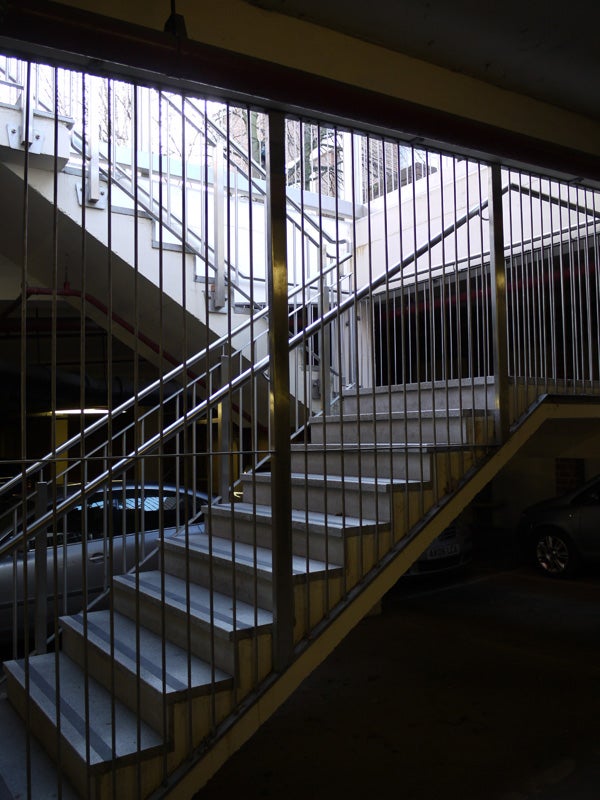
Dynamic range could be better in JPEG mode; there’s not much shadow detail here.
—-
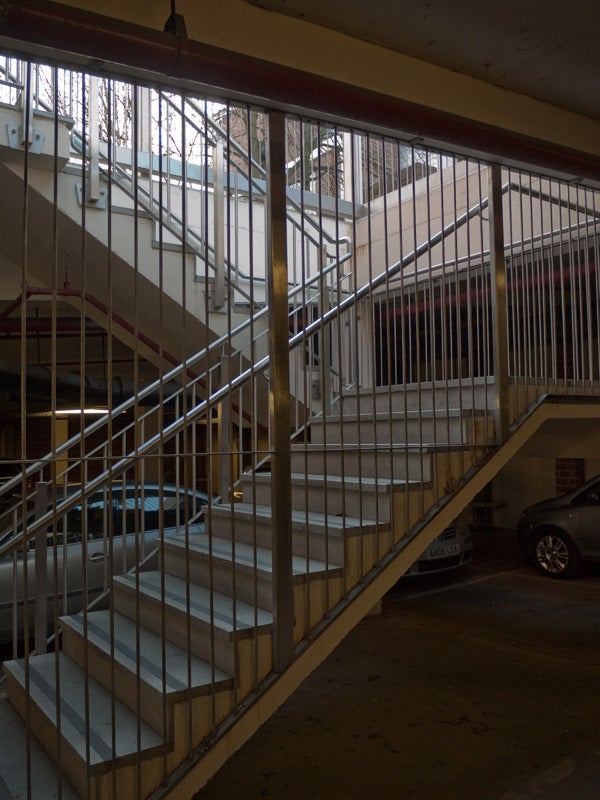
Shooting in Raw mode allows a lot more shadow detail to be recovered, without any real noise problems.
—-
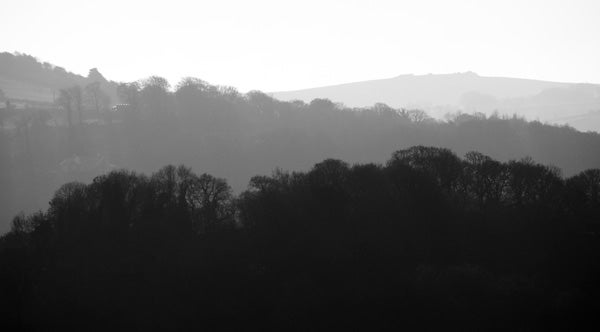
The G1 works well in monochrome mode too.
—-
Trusted Score
Score in detail
-
Value 7
-
Image Quality 9
-
Build Quality 9
Features
| Camera type | Micro Four Thirds |
| Megapixels (Megapixel) | 12.1 Megapixel |
| Optical Zoom (Times) | By lensx |


Editorial independence
Editorial independence means being able to give an unbiased verdict about a product or company, with the avoidance of conflicts of interest. To ensure this is possible, every member of the editorial staff follows a clear code of conduct.

Professional conduct
We also expect our journalists to follow clear ethical standards in their work. Our staff members must strive for honesty and accuracy in everything they do. We follow the IPSO Editors’ code of practice to underpin these standards.
Editorial independence
Editorial independence means being able to give an unbiased verdict about a product or company, with the avoidance of conflicts of interest. To ensure this is possible, every member of the editorial staff follows a clear code of conduct.
Professional conduct
We also expect our journalists to follow clear ethical standards in their work. Our staff members must strive for honesty and accuracy in everything they do. We follow the IPSO Editors’ code of practice to underpin these standards.