
-

Microsoft and Xbox are low-key winning on Sony PlayStation turf
-
Amazon retires Prime Video tier you probably didn't know existed
-
AirPlay for hotel TVs now rolling out, so no more touching that remote
-
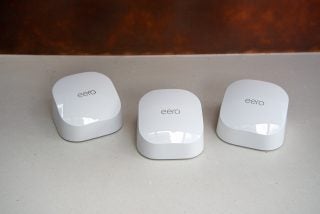
Need faster internet? This discounted mesh Wi-Fi bundle will do the trick
-
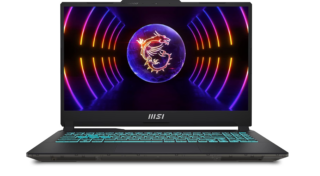
This MSI Cyborg deal is an instant win for PC gamers
-
Six benchmarks we use to test phones – and how you can use them too
-
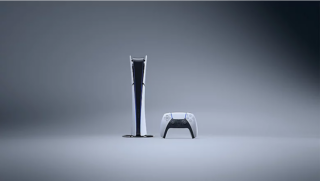
The PS5 Slim has plummeted to just £349 at Very





Latest Reviews
-
Garmin Lily 2
The Lily 2 shines with its elegant and discreet design, reliable activity tracking, and decent battery life
-
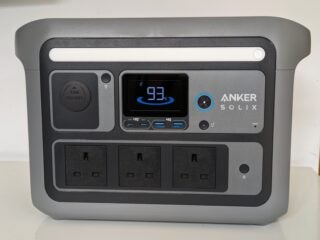
Anker SOLIX C800 Plus
A versatile, high-spec power station for camping
-
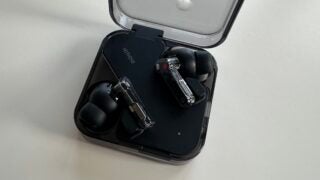
Nothing Ear
Nothing to see Ear
-
Insta360 X4
A superb 360º action camera


Top review categories

Why trust our reviews?

Founded in 2003, Trusted Reviews exists to give our readers thorough, unbiased and independent advice on what to buy
We never accept money to review anything. We make our money through affliliate links and advertising.
Our expert team

Many of the most experienced technology specialists in the UK, well known writers with many years’ expertise across mobile phone, computing, AV, photography and more.

Our awards

Proud to be nominated for a number of publishing industry awards in the last few years, including being shortlisted for Best Editorial Team by the PPA in 2017, Best Online Media Property by the AOP in 2018. and Best Online Brand by the AOP in 2022.

Our reviews
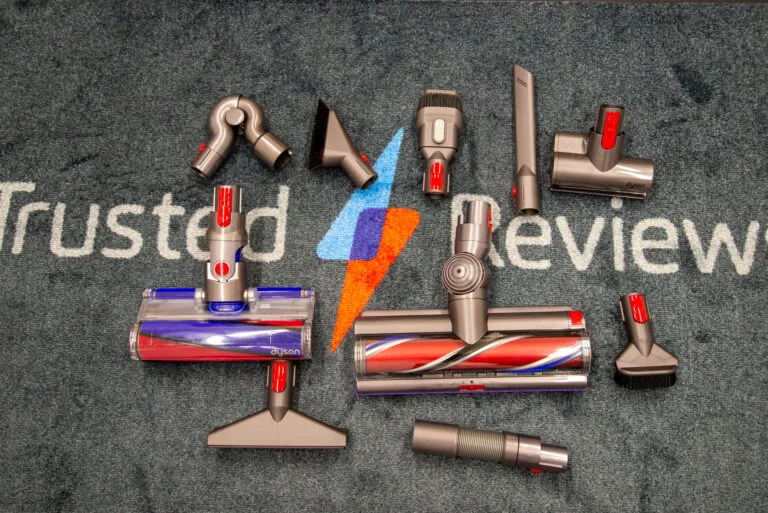
Our reviews are trusted by millions of users from around the world. We rigorously assess over 1000 products a year and we’ve become one of the largest review sites in the UK.

Our expert team
Many of the most experienced technology specialists in the UK, well known writers with many years’ expertise across mobile phone, computing, AV, photography and more.
Our awards
Proud to be nominated for a number of publishing industry awards in the last few years, including being shortlisted for Best Editorial Team by the PPA in 2017, Best Online Media Property by the AOP in 2018 and Best Online Brand by the AOP in 2022.
Our reviews
Our reviews are trusted by millions of users from around the world. We rigorously assess over 1000 products a year and we’ve become one of the largest review sites in the UK.