
Verdict


Key Specifications
- Review Price: £249.99
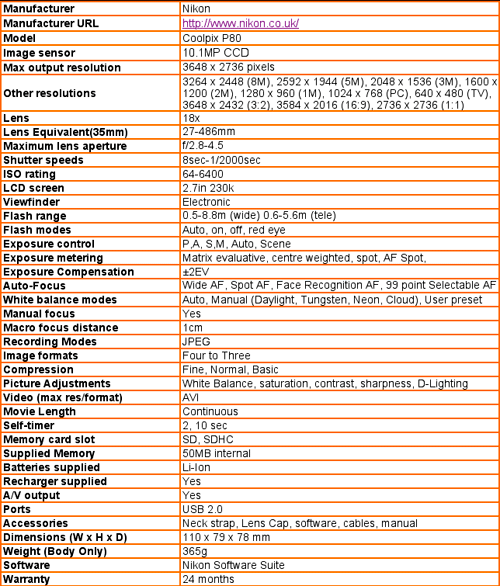
Nikon’s latest model in the P-series is the P80. The range is aimed at the enthusiast looking for an alternative to a DSLR so comes equipped with a host of manual and digital features for image controi, while maintaining a traditional handling experience.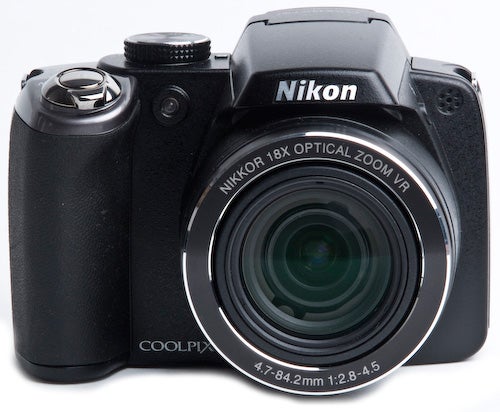
This model offers 10.1 million effective pixels on a 1/2.33-inch CCD, with a total population of 10.7 million pixels. The camera’s most significant feature though is its 18x optical zoom, covering a range of 27-486mm in 35mm terms. The camera also has built in vibration reduction (VR) to avoid camera shake, especially useful at the long end of the zoom. Unlike Nikon’s optical VR used in some of its SLR lenses, the P80 uses sensor-shift VR, so the CCD is moved to counteract any camera shake.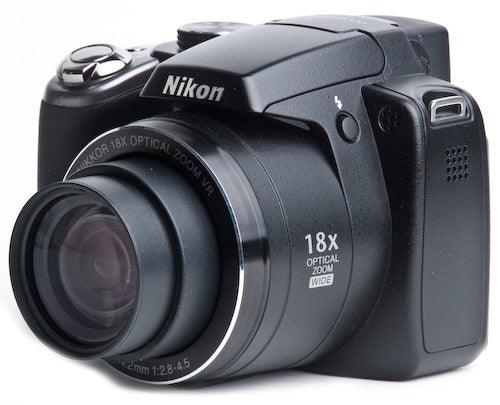
As befits its enthusiast status the camera has a full complement of exposure modes, including shutter and aperture priority AE, Manual and Program modes. For the less experienced or habitually lazy, there is also a simple auto mode and a collection of scene modes. These range from Portrait, Landscape and Action to Fireworks, Museum and Party modes, and a few others thrown in for good measure. Nikon has made sure the camera is equipped for all lighting conditions, with a decent sensitivity range of ISO 64 to 6400
Metering options include matrix metering as default, with centre weighted and spot metering also available. There’s also an option to link the spot metering to the AF area. The autofocus system includes face recognition, almost a prerequisite these days, as well as the default auto mode. There’s a manual AF-point selection mode that allows you to select the AF point from a choice of 99 positions. Nikon has also thrown in a manual focusing mode and macro shooting down to 1cm, for good measure.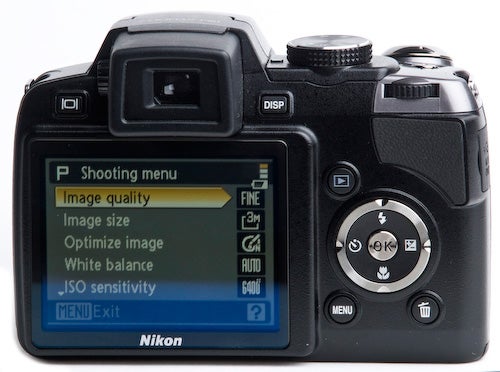
Processing is courtesy of Nikon Expeed, the same as that in it’s DSLR range and also includes post processing options, notably D-Lighting, which lightens shadows and mid-tones in backlit or high contrast scenes. When applied, the camera produces a new image leaving the original untouched. Disappointingly the P80 only shoots in JPEG format, with no RAW option.
Other digital operations include a range of colour options ranging from natural to vivid and portrait, as well as a black and white mode with digital colour filters to simulate traditional optical filters such as red or yellow for example. 
Aware of the limitations of the long lens, Nikon has added distortion correction to the line-up, which is designed to correct for any barrel and pincushion effect thrown up by the lens. Barrel distortion is usually especially visible at the wide end of the lens, and the distortion correction works efficiently. It can be turned off if so desired. The noise reduction however cannot be turned off; the only two settings are auto and on.
The built-in flash offers coverage over 8.8m in auto ISO mode, and includes flash compensation. There’s also automatic red eye removal, which along with D-Lighting and face recognition, Nikon claims as ‘unique Nikon image innovations’. 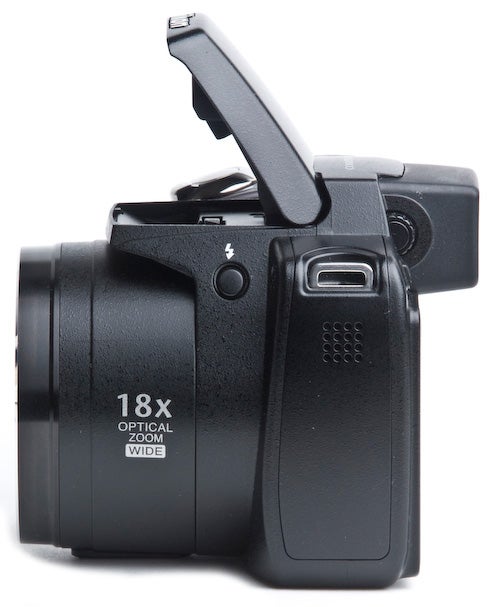
The camera also offers a reduced resolution continuous shooting mode of 13fps, slowing down to 4fps at the largest setting for up to 30 shots, available in sports mode. A movie mode is also included as we’d expect.
Along with a decent 2.7 inch LCD, the camera also has an electronic viewfinder, both of which offer 230k resolution. Switching between them is a little awkward – the button is not too responsive and requires a good push. The EVF is reasonably good, though small, but images are clear and colourful. The information displayed on the screen is also very easy to read, with all relevant settings superimposed around the edges of the scene.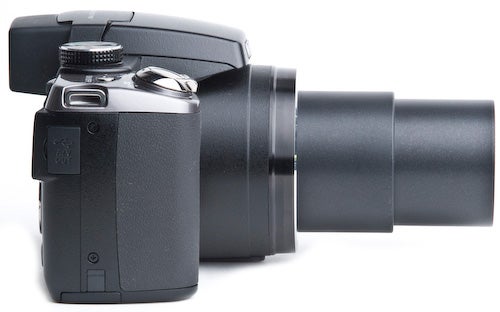
Start up time is relatively slow compared to some other cameras, while the zoom control can be a little too eager, I sometimes needed to pull in and out to hit the right focal length when composing. Other handling traits are pleasing though. I particularly like the rear command dial, which allows simple single step changing of aperture and shutter in their respective AE modes. In manual mode the EV compensation button needs to be pressed to switch between shutter and aperture.
Shooting on a bright day I occasionally experienced some lens flare, so a decent lens hood would have been a welcome accessory. The camera has a solid lens cap which needs to be removed before turning the camera on, as the lens extends slightly from the body at start up.
A problem with lenses of this focal length is that they are really stretching the boundaries of optical possibility, and unfortunately something has to give. In the Nikon P80’s case the lens produces several instances of chromatic aberration in the form of both purple and green fringing. This is especially the case in high contrast conditions, and is visible throughout the image in both the centre and the edges.
Despite the fringing the lens is sharp throughout the focal range, and the VR works well. In fact you can see it working as you frame the images, as the initial shaky image on the EVF quickly snaps to stillness.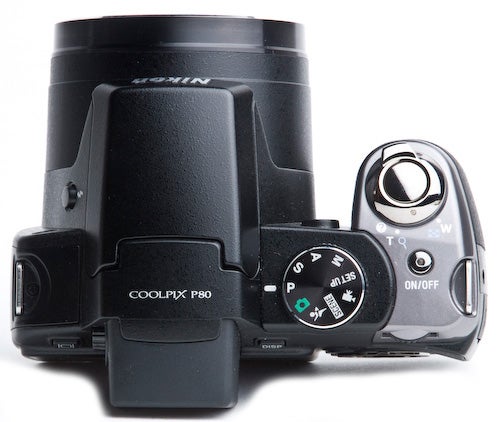
Exposures tend to be good though, the matrix metering gets it mostly right most of the time, and only in extreme circumstances did I need to resort to spot metering or exposure compensation. Colour too is very good, with punchy tones remaining just the right side of over saturated. On rare occasions the auto white balance misses the mark just a little, producing some too warm or too cold images, but in normal circumstances it copes well.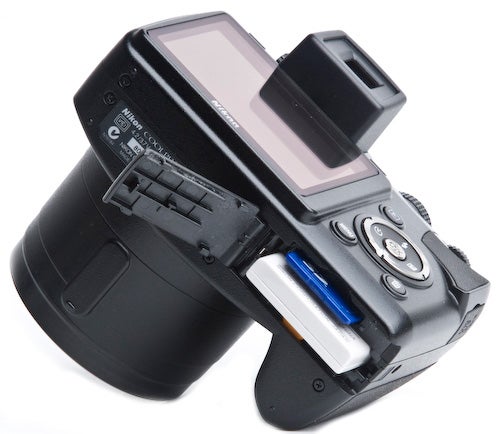
Noise lets the camera down, especially in the higher ISO ranges. Up to ISO 200 everything is fine, but by ISO 400 you can often see the noise reduction system working, softening the images somewhat. As the gain is raised the amount of noise is noticeable despite the noise reduction and the automatic nature seems to be inconsistent, sometimes kicking in, sometimes not. It’s worth noting too that the high ISO6400 is a lower resolution of 3MP.
”’Verdict”’
As super-zoom bridge cameras go, the Nikon Coolpix P80 is okay, but there are reservations. While the handling is generally good and instinctual, it feels a bit of a lightweight and it’s not the most responsive in the world. Image quality is average too, with good exposure and colour, but it’s let down by fringing and noise.
These cameras are always a compromise though, to achieve the focal range and high ISO, especially on such a small sensor, something has to give. The loss of pure quality is the price that has to be paid for the convenience.
”A range of general test shots are shown over the next two pages. In some cases, the full size image has been reduced for bandwidth purposes, and a crop taken from the original full resolution image has been placed below it to show the overall image quality.”
—-
This is the full frame image at the lowest setting of ISO64
—-
At 100% the ISO64 image shows no sign of noise
—-
This continues as the gain is raised to ISO100
—-
ISO200 is still pretty clean
—-
ISO400 shows some noise beginning to appear
—-
ISO800 shows visible noise, with some softening from the NR
—-
ISO 1600 is very noisy
—-
ISO 3200 demonstrates the automatic noise reduction kicking in
—-
The reduced resolution (3MP) image at ISO6400 is very noisy indeed
—-
This is the full frame image at ISO 6400
”A range of general test shots are shown over the next two pages. In some cases, the full size image has been reduced for bandwidth purposes, and a crop taken from the original full resolution image has been placed below it to show the overall image quality.”
—-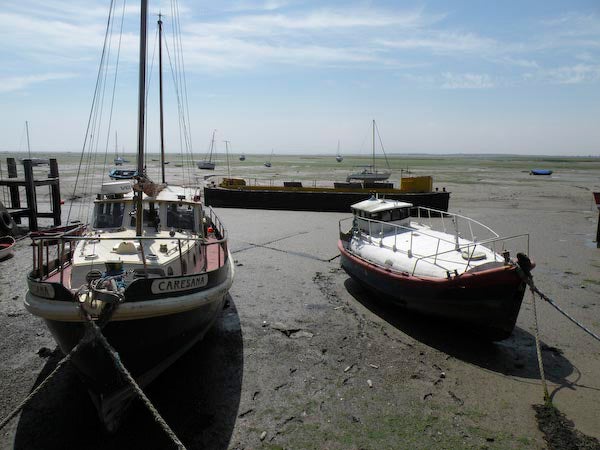
This shows the angle of view at the widest setting of the lens
—-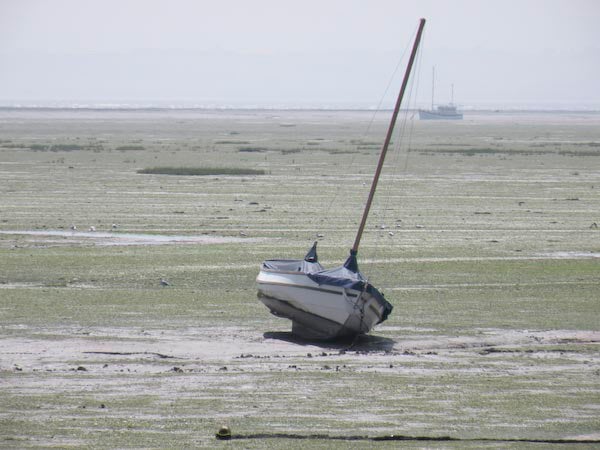
This image demonstrates the telephoto end of the lens
—-
Macro images are sharp
—-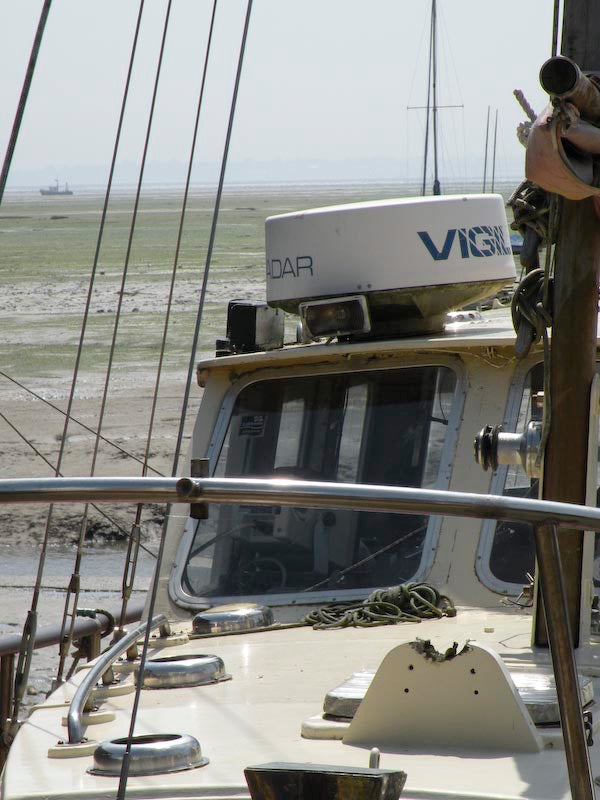
The lens is sharp, but purple fringing is visible in the edges of the frame
—-
At 100% viewing the fringing is more visible
—-
Again the image is sharp but the green fringing in the centre of the frame is visible
—-
At 100% viewing the fringing is more visible
—-
Barrel distortion is visible at the wide end with the distortion correction off
—-
With distortion correction switched on the problem is fixed
—-
”Here are some general test shots to help evaluate the camera’s overall image quality.”
—-
Exposures are generally very good indeed
—-
Colours are punchy and saturated in the right light
—-
Less vivid tones are rendered well
—-
The white balance is sometimes fooled, this image is a bit too warm
—-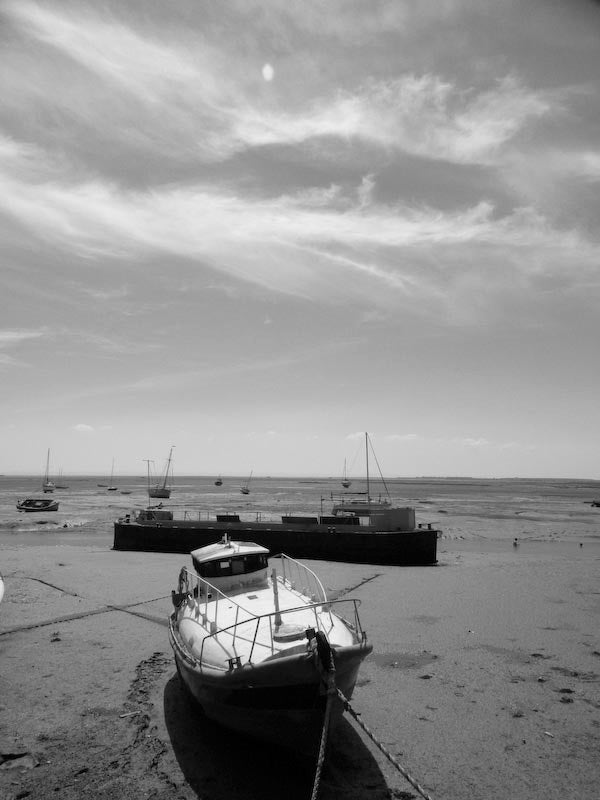
In black and white mode, I used a digital red filter to darken the sky. It’s less effective than real filters
—-
With D-Lighting off, this image is quite contrasty
—-
After applying D-Lighting, the shadows are lifted but noise has appeared (also notice the purple fringing along the roof)
Trusted Score
Score in detail
-
Value 8
-
Image Quality 7
-
Build Quality 8
Features
| Camera type | Super Zoom |
| Megapixels (Megapixel) | 10.1 Megapixel |
| Optical Zoom (Times) | 18x |
| Image Sensor | CCD |
| Image Stabilisation | Optical |
| LCD Monitor | 2.7 in |
| Flash modes | Auto Flash, Flash OFF, Flash ON, Red-eye Reduction |
| Video (max res/format) | 640 x 480 |
| Memory card slot | Secure Digital (SD) Card, Secure Digital High Capacity (SDHC) Card |


Editorial independence
Editorial independence means being able to give an unbiased verdict about a product or company, with the avoidance of conflicts of interest. To ensure this is possible, every member of the editorial staff follows a clear code of conduct.

Professional conduct
We also expect our journalists to follow clear ethical standards in their work. Our staff members must strive for honesty and accuracy in everything they do. We follow the IPSO Editors’ code of practice to underpin these standards.
Editorial independence
Editorial independence means being able to give an unbiased verdict about a product or company, with the avoidance of conflicts of interest. To ensure this is possible, every member of the editorial staff follows a clear code of conduct.
Professional conduct
We also expect our journalists to follow clear ethical standards in their work. Our staff members must strive for honesty and accuracy in everything they do. We follow the IPSO Editors’ code of practice to underpin these standards.