

Computing Reviews
Check out all our latest computing reviews and previews, covering everything from top notch laptops to powerhouse PC components and networking tech. Every item with a score has been tested by one of our computing experts.
-

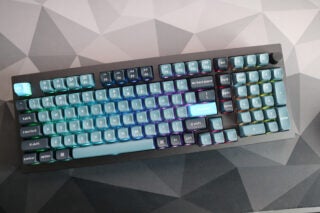
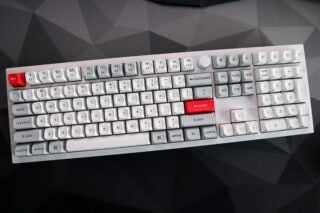
Keychron Q5 Pro Review
Score
A big and heavy enthusiast-level monster
-
A premium yet affordable graphical crackerjack
-
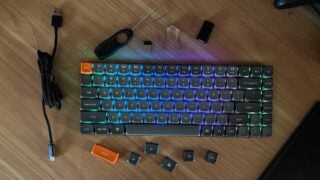
Keychron K3 Max Review
Score
An ultra-slim mechanical keyboard
-
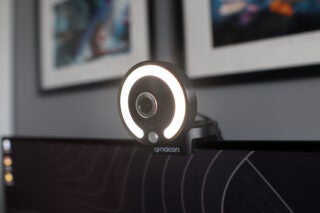
An affordable webcam with some handy extras
-
-
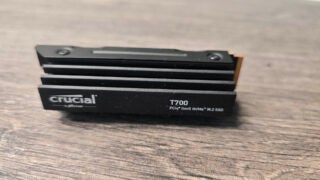
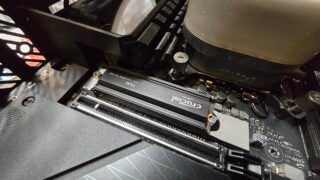
Crucial T700 Review
Score
A solid all-around PCIe 5.0 SSD
-
Keychron Q6 Pro Review
Score
A mechanical keyboard with fantastic switches
-
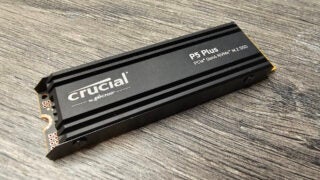
Crucial P5 Plus Review
Score
An average budget SSD for PS5 expansion but nothing more
-
A fantastic OLED upgrade
-
The ultimate PS5 SSD
-
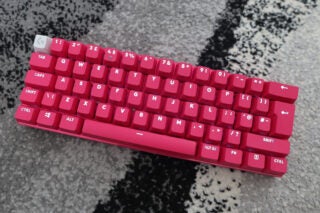
Logitech's first 60% keyboard is a solid start
-
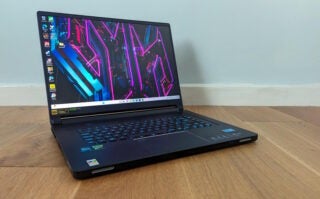
Beautiful design and beastly performance
-
A fantastic compact gaming laptop
-
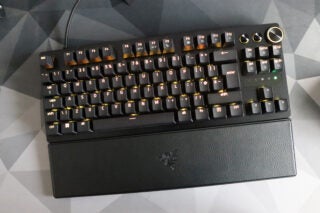
Razer's latest and greatest keyboard is a real winner
-
Steam Deck OLED Review
Score
Minor tweaks make a big difference
-
Philips 27B1U7903 Review
Score
A work monitor with superb HDR performance and Thunderbolt 4
-
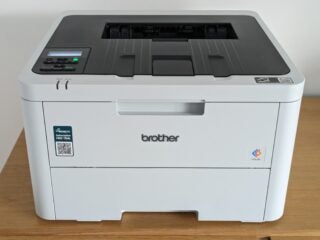
A disappointing colour laser printer
-
A streaming webcam with clever software
-
A budget headset that fails to impress
-
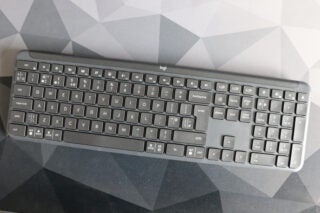
A respectable, reasonably-priced office keyboard.
-
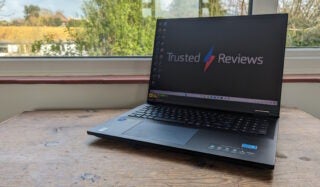
A powerhouse laptop with a superb 18-inch display
-
Extended battery life for an expensive price
-
Crucial T500 Review
Score
The best PCIe 4.0 drive you can get
-
One of the top options for PC or PS5 gamers.
-
Still the best MacBook for most people
-
An excitingly-designed and compotent gaming mouse
-
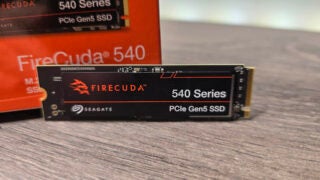
Pricey first gen PCIe 5.0 doesn’t quite keep up
-
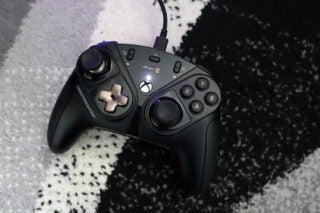
A great controller, if a little dated
-
An intriguing alternative to gaming headsets
-
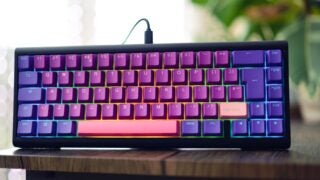
An affordable and simple way to build your first mechanical keyboard













Page 1 of 176